In Florida, the exterior of a home takes a lot of punishment from the weather. Between constant sunlight, humidity, and seasonal storms, paint slowly breaks down over time.
Because this process happens gradually, many homeowners don’t notice it until the change becomes obvious. A house that once looked bright and freshly painted may start to appear dull, worn, or uneven in color.
If you live in Brandon, Riverview, Valrico, or elsewhere around Tampa Bay, there are a few common clues that suggest your home’s exterior paint may be reaching the end of its lifespan.
1. The House Doesn’t Look as Bright as It Used To
Sometimes the first sign isn’t damage — it’s simply a loss of vibrancy.
Florida’s sunlight is strong enough to slowly fade exterior paint pigments. Over several years, colors may start to appear lighter, washed out, or slightly uneven from one side of the house to another.
Many homeowners notice this most on the sides of the house that receive the most afternoon sun.
2. Walls Leave a Dusty Residue on Your Hand
If you ever touch your home’s exterior wall and see a faint powder left on your fingers, that’s usually a sign of paint chalking.
Chalking occurs when sunlight breaks down the binding ingredients in paint. As those ingredients deteriorate, the surface begins releasing a fine residue.
While some chalking is normal as paint ages, heavier residue often means the protective coating is wearing thin.
3. Trim Starts Showing Wear First
One interesting pattern many homeowners notice is that trim tends to show wear earlier than the rest of the house.
Areas such as fascia boards, window trim, and door frames receive more direct exposure to rain and sunlight. Because of that, they may begin peeling or cracking before larger wall areas do.
These spots often provide the earliest indication that repainting may be needed.
4. Hairline Cracks Begin Appearing in Stucco
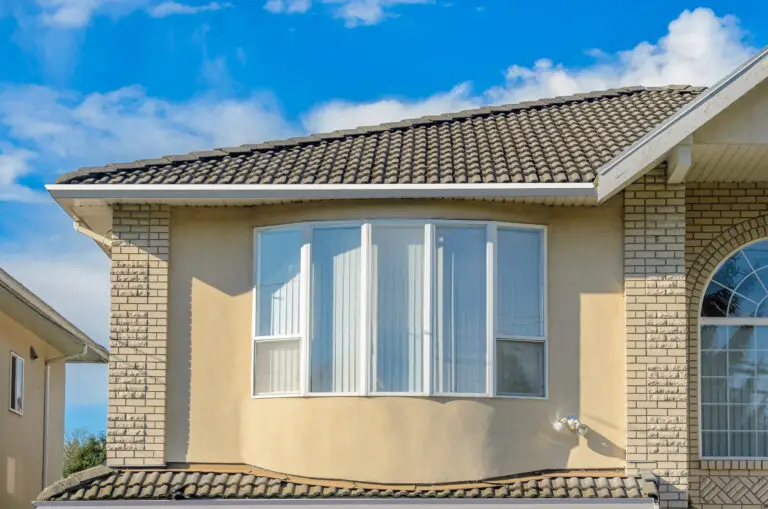
Many homes in the Tampa Bay region are built with stucco exteriors. Stucco is durable, but it can develop small hairline cracks as homes settle or as temperatures shift between hot days and cooler nights.
While these cracks may look minor, they can allow moisture to enter the surface if they are not sealed during repainting.
This is why repainting projects often include small stucco repairs as part of the preparation process.
5. It’s Been a While Since the Last Paint Job
Sometimes the clearest indicator is simply time.
Even when paint still looks fairly good from a distance, it may be approaching the end of its useful life. Florida homes generally require repainting more often than homes in cooler climates.
Many properties in the Tampa Bay area are repainted roughly every five to eight years, depending on sun exposure and surface materials.
Keeping Exterior Paint in Good Condition
Exterior paint plays an important role beyond appearance. It helps protect surfaces from moisture, weather damage, and long-term deterioration.
Checking your home’s exterior once or twice a year can help you spot early signs of wear. Small issues like fading, chalking, or peeling trim are often easier to address before they spread to larger areas.
Because we work with homeowners across Brandon, Riverview, and surrounding Hillsborough County communities, we often see similar paint patterns across the area. Homes that face strong afternoon sun tend to show fading first, while trim and edges usually reveal peeling earlier than larger wall surfaces.
At T&J Painting, many homeowners reach out after noticing these early changes and wanting to refresh the exterior before the paint begins deteriorating further. With the right preparation and coatings designed for Florida’s climate, repainting can restore both the appearance and protection of a home.