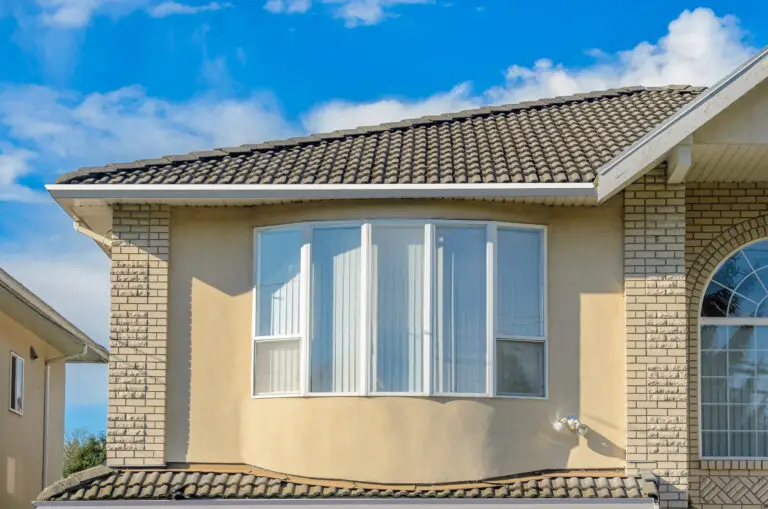
Wood rot usually does not start with something dramatic. More often, it begins in the background. A little trapped moisture. A spot that stays damp after rain. Trim that looks fine from a distance until the paint starts lifting or the wood feels softer than it should. That is part of what makes it so common in Florida homes. The climate gives moisture more chances to stick around, and once wood stays wet long enough, it starts to break down.
If you have noticed peeling paint, soft trim, or areas around the exterior that just do not look quite right anymore, it helps to understand why wood rot shows up so often here and what signs are worth paying attention to early.
Why Wood Rot Is So Common in Florida
So, what is wood rot? It happens when wood stays damp long enough for decay to begin. Once moisture gets into the material and lingers there, the wood slowly starts to soften, weaken, and break down over time.
Florida homes deal with a lot year-round. Heat, humidity, rain, and long stretches of moisture exposure all put pressure on exterior materials, especially wood. Even homes that look well-maintained on the surface can start developing hidden trouble in the spots that do not dry out as quickly as they should.
Wood rot tends to show up when moisture sticks around and the wood never fully gets a chance to dry. Once that cycle starts repeating, the material begins to weaken little by little. In Florida, that can happen faster than many homeowners expect.
Humidity That Never Really Lets Up
Florida air holds moisture almost all the time. Even on days without rain, the humidity alone can keep exterior surfaces damp longer than they should be.
That constant exposure makes it harder for wood trim, siding, soffits, and framing to fully dry out. Over time, that lingering moisture creates the kind of environment where rot can start quietly and spread before anyone notices it.
Heavy Rain and Frequent Storm Exposure
Rain is part of life in Florida, and homes take the hit repeatedly. Between afternoon storms, tropical weather, and wind-driven rain, exterior wood is exposed more often than in many other parts of the country.
If water gets into small gaps, joints, or unsealed edges, it can keep soaking into the same areas again and again. That repeated wetting is one of the biggest reasons wood starts breaking down.
Moisture That Gets Trapped in the Wrong Places
Sometimes the issue is not just that water gets in. It is that it stays there.
Wood rot often starts in spots where moisture gets trapped and airflow is limited. That might be behind trim, around window frames, under roof edges, or in areas where water tends to collect and dry slowly. Once moisture gets stuck in those pockets, the wood starts holding onto it longer than it should.
Failing Paint, Caulk, or Exterior Seals
A lot of wood rot starts small. Paint begins to crack. Caulk pulls away. A seam opens just enough to let water in.
At first, it may not look like much. But once the protective layer starts failing, the wood underneath becomes more vulnerable every time it rains or humidity builds up. That is often how a minor maintenance issue turns into a repair job later.
Older Exterior Wood That Has Taken Years of Wear
Some Florida homes are simply dealing with years of exposure catching up with them. Exterior wood does not last forever, especially when it has been through repeated sun, moisture, storms, and repainting cycles.
As wood ages, it becomes more likely to absorb water, split, soften, or break down in places that were once holding up just fine. That does not always mean the whole area needs to be replaced, but it does mean it should not be ignored.
Where to Check First for Wood Rot Around Your Home
Wood rot does not usually show up in random places. It tends to form where water exposure, weak sealing, and repeated wear all meet. Once you know where to look, the problem often makes more sense.
One of the most common places is around windows and doors. These areas deal with a lot of movement, exposure, and sealing issues over time. If caulk starts to fail or water begins working into the edges, the surrounding wood trim can start softening before the damage is obvious.
Exterior trim and fascia boards are also common trouble spots. These parts of the home sit right where water runoff, roof edges, and direct weather exposure tend to hit hardest. If they are not sealed well or repainted when needed, they can start to break down faster than homeowners realize.
You will also often see wood rot in soffits, siding details, porch areas, columns, and decorative exterior woodwork. These areas can hold moisture longer, especially if they are shaded, poorly ventilated, or exposed to repeated rain without drying out properly.
In some homes, rot also shows up near rooflines, garage trim, and lower wall sections, especially where splashback, drainage issues, or pooling water keep certain spots damp.
That is why wood rot rarely stays just a “small paint issue.” It often starts in places that are easy to overlook until the surface begins peeling, swelling, cracking, or feeling soft.
What to Watch for Before the Damage Gets Worse
Wood rot is easier to deal with when it is caught early. The challenge is that it does not always look severe right away. In a lot of cases, the early signs seem cosmetic until you get closer and realize the wood underneath is already starting to fail.
One of the first things homeowners notice is peeling or bubbling paint. It may look like a paint problem at first, but that surface breakdown often means moisture is already trapped underneath.
Another sign is wood that feels soft, crumbly, or slightly sunken when pressed. Even if the area still looks mostly intact, that softness usually means the material has started to deteriorate.
You may also notice:
- cracked caulk or open seams
- swollen trim or warped boards
- dark staining or discoloration
- musty smells near damaged exterior areas
- corners or edges that seem to break apart more easily than they should
In some cases, the warning signs are subtle. A section of trim may just keep needing paint touch-ups. A corner may never seem to stay sealed. A small damaged area may come back after being patched. That is usually the point where it makes sense to stop treating it like a surface issue and start asking what is happening underneath.
FAQs About Wood Rot in Florida Homes
Can wood rot spread to other parts of the home?
Yes, it can. If moisture keeps reaching nearby wood, the damage can move into surrounding trim, framing, or other exterior areas over time.
Is wood rot more common in older Florida homes?
It often is. Older homes usually have more wear, older exterior materials, and more chances for seals, paint, or caulking to start failing.
Can you paint over wood rot?
Not if the wood underneath is already breaking down. Paint may cover the surface for a little while, but it will not stop the damage from getting worse.
When should wood rot be repaired instead of monitored?
If the wood feels soft, keeps peeling, starts spreading, or shows up in the same area again, it is usually time to repair it instead of just keeping an eye on it.
Talk to T&J Painting About Wood Rot Repair and Prevention
If something on your exterior looks off and you want honest guidance on what needs attention, reach out to T&J Painting. We can help with wood rot repair, minor exterior repairs, prep work, and the kind of upkeep that helps Florida homes hold up better over time. Contact us today to have the damage looked at before it spreads any further.