As Brandon homeowners know exactly what to expect from the afternoon skies, the transition into Florida’s peak rainy season brings heavy, driving thunderstorms almost daily. While your roof is your home’s first line of defense, your exterior stucco is a close second.
Stucco is an incredibly durable material, which is why it covers nearly every home in Hillsborough County. But it has one major weakness: it is rigid. When the ground settles or the intense Florida heat causes building materials to expand and contract, that rigid stucco inevitably develops cracks.
During the dry winter months, a hairline crack might seem like a purely cosmetic issue. But in the middle of a Florida summer, that same crack becomes a direct channel for water intrusion. Here is why addressing exterior stucco damage before the daily storms hit is critical to protecting the structural integrity of your home.
The Danger of Ignoring Hairline Cracks
It is easy to look at a crack the width of a pencil lead and assume it isn’t a threat. However, wind-driven rain—the kind we get during severe afternoon thunderstorms and tropical systems—doesn’t need much space to cause damage.
When water is blown against the side of your house, it is pushed through those hairline fractures. Once moisture gets behind the stucco surface, it becomes trapped in the dark, humid environment of your wall cavity. This leads to a cascade of expensive problems:
-
Wood Rot: The wood framing and sheathing behind your stucco act like a sponge. Continuous moisture exposure quickly rots the wood, compromising your home’s structural integrity.
-
Mold and Mildew: Trapped moisture in a hot Florida wall cavity is the perfect recipe for toxic black mold, which can eventually spread to your interior drywall.
-
Delamination: As water pools and the house heats up in the sun, the moisture expands. This pushes the stucco away from the metal lath beneath it, causing large sections to bulge, crack, and eventually fall off entirely.
The T&J Painting Waterproofing Process
Slapping standard exterior paint over a stucco crack will not fix the problem. Traditional paint dries into a thin, rigid film. The next time the house shifts, the paint will snap, exposing the crack once again.
To permanently waterproof your home against the Brandon summer weather, our crews utilize a specialized, multi-step stucco repair process:
-
Trenching and Cleaning: We don’t just paint over the damage. We use specialized tools to widen the crack slightly, creating a trench. We then clear out all dust, debris, and loose masonry to ensure our patching materials can form a permanent bond.
-
Elastomeric Patching: We fill the cleaned cracks with a high-grade elastomeric patching compound. Unlike rigid stucco or standard caulk, elastomeric patches are designed to stretch. As your home expands and contracts in the summer heat, the patch flexes with the wall, keeping the water seal completely intact.
-
Texture Matching: A patched crack shouldn’t look like a scar on your house. Our experts carefully match the existing texture of your stucco—whether it’s a heavy dash, lace, or sand finish—so the repair blends seamlessly.
-
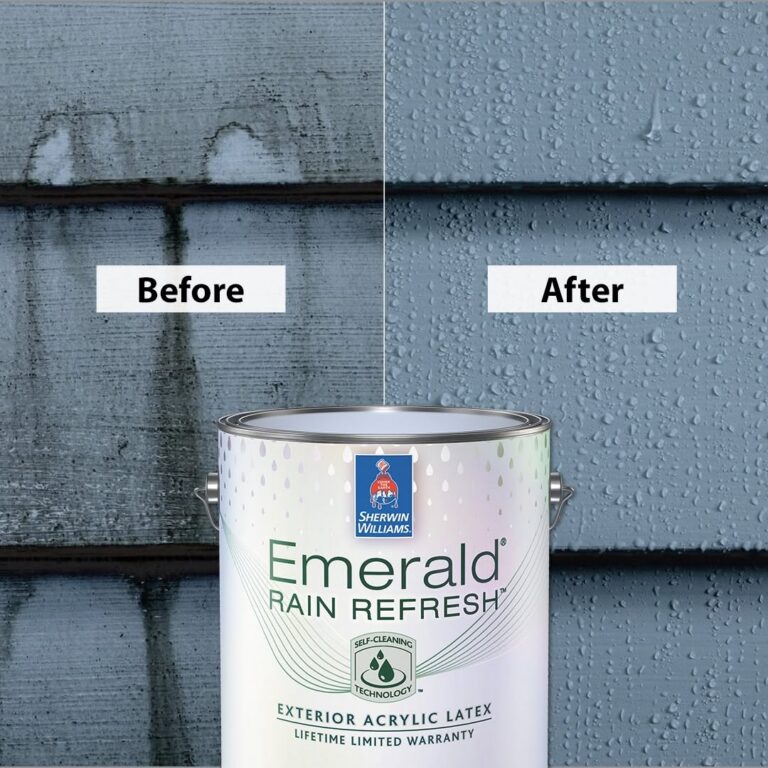
Premium Sealing: Finally, we apply a high-quality masonry primer and premium exterior paints, like Sherwin-Williams Resilience, to create a final, impenetrable barrier against the daily rain.
Don’t Wait for the Damage to Spread
The best time to handle Brandon FL stucco repair is before the water gets inside. If you walk around your property and notice spiderweb cracks near your windows, vertical cracks along the foundation, or areas where the stucco sounds hollow when tapped, your home’s envelope is compromised.
Summer painting and repairs in Tampa Bay require a proactive approach. Contact T&J Painting today to schedule a free exterior inspection. We will identify vulnerable areas, patch the cracks, and ensure your home is fully waterproofed before the heaviest rains arrive.